National Forestry Agency Presents 2026 Progress Report and Strategic Plans for 2027 to the Parliament of Georgia
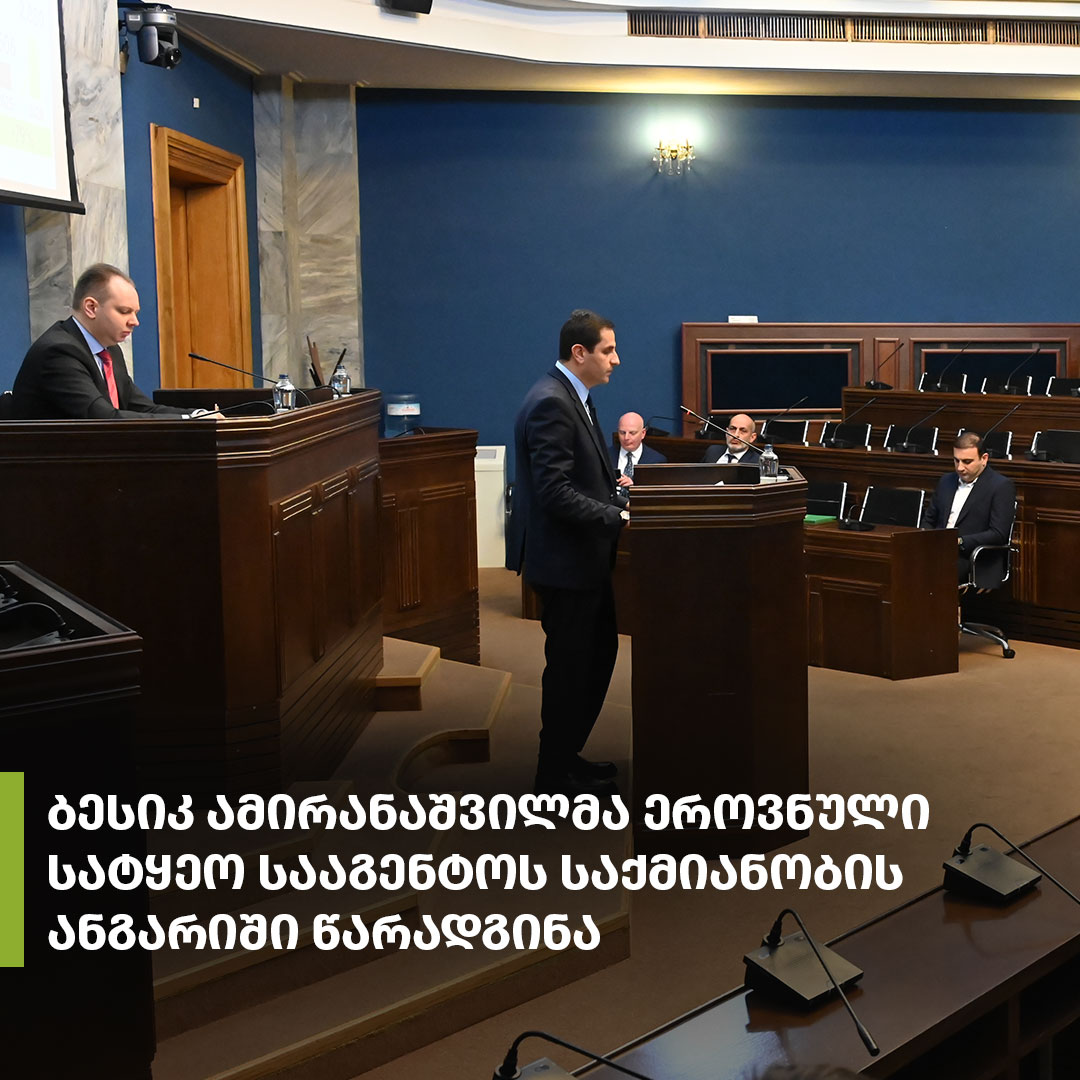
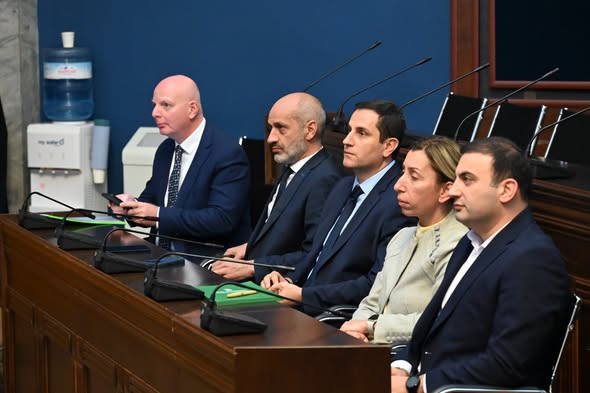
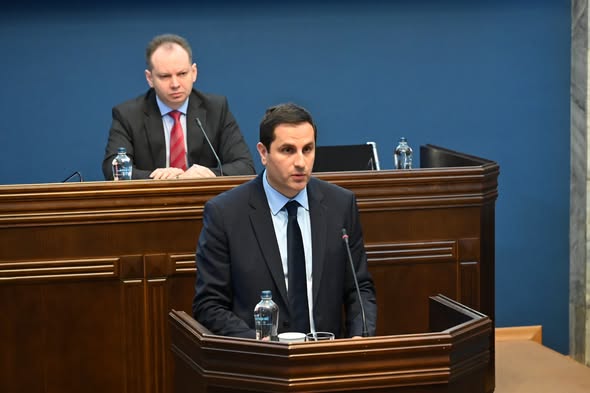
The Environmental Protection and Natural Resources Committee of the Parliament of Georgia heard the National Forestry Agency's 2026 activity report and 2027 plans. The Head of the National Forestry Agency, Besik Amiranashvili, delivered the presentation.
The report focused on the projects implemented within the scope of the forestry reform. The 2026 forestry reform, launched by the Ministry of Environmental Protection and Agriculture, prioritizes forest monitoring and control strengthening, together with enhancing protection and utilization frameworks.
As Besik Amiranashvili stated at the committee meeting, the forest protection and monitoring system has been significantly strengthened under the reform. To prevent illegal logging and increase the efficiency of forest protection, more than 1.7 million hectares were divided into 903 ranger beats, which were handed over to forest rangers with personal responsibility.
To boost forest monitoring and control, 499 new employees were added to the system, including 401 forest rangers. As a result, the area to be protected per ranger decreased from 10–15 thousand hectares to an average of 2,000 hectares, while rangers' salaries have doubled since January of this year.
Within the framework of the modern forest protection and monitoring model, monitoring has been fully digitized. Tablets, body cameras, two-way radios, and camera traps are used during state control, ensuring increased efficiency in physical forest protection and oversight.
As part of technological re-equipment and institutional strengthening, 2 new forestry service offices were built, and 9 offices were rehabilitated. Additionally, 68 timber yards ("Business yards") were established. Furthermore, 110 units of specialized forestry equipment and 215 off-road vehicles were purchased.
The Head of the National Forestry Agency also introduced the projects planned by the agency for 2027. To promote multi-purpose forest use, ecotourism development plans have been prepared for 17 municipalities of Georgia, and 40 investment sites have been identified.
Besik Amiranashvili also highlighted the long-term perspective of forest restoration. The scale of degraded forest restoration measures is increasing annually; under the ten-year strategy, nationwide forest restoration measures will be carried out on a total area of 51,000 hectares. It is also noteworthy that in 2027, primary and temporary nurseries will be established, which will facilitate the implementation of large-scale forest restoration projects.
The main objective of the National Forestry Agency is to improve the sanitary condition of forests, conduct forest inventory, and prepare management plans. In the years 2014–2026, inventory work was fully carried out on 59% of the territory managed by the forestry agency. In 2027–2028, information will be fully updated for 100% of the territory under the agency's management.